In a small lane in Karachi, an elderly man lives alone in the house he built forty years ago. His children work in other cities, or abroad. His pension, if he has one, does not stretch to the end of the month, and the medicines his doctor prescribed sit half-finished on a shelf — a full month's course costs more than the week's groceries. He does not complain. He simply waits — for a visit, for a phone call, for someone to notice that he needs help.
There are thousands of elderly people like him across Karachi. They drove its buses, taught in its schools, ran its shops and raised its families. Now, in old age, many face the same quiet struggle: medicines they cannot afford, food that runs short, winter cold that bites harder every year, and long days spent alone. At the Karachi People Welfare Association (KPWA), we believe no elderly person should suffer because they cannot afford medicine.
Why Elderly People in Karachi Need Support
Many elderly people live on a small pension or on whatever their children can send. When prices rise, medicines are often the first thing cut back — a blood pressure tablet skipped, a diabetes medicine stretched to last twice as long. A small health problem, left untreated, becomes a serious one. And the cost is not only money: loneliness weighs heavily too. An elderly person who sees no one all day can lose hope faster than one who is simply short of cash.
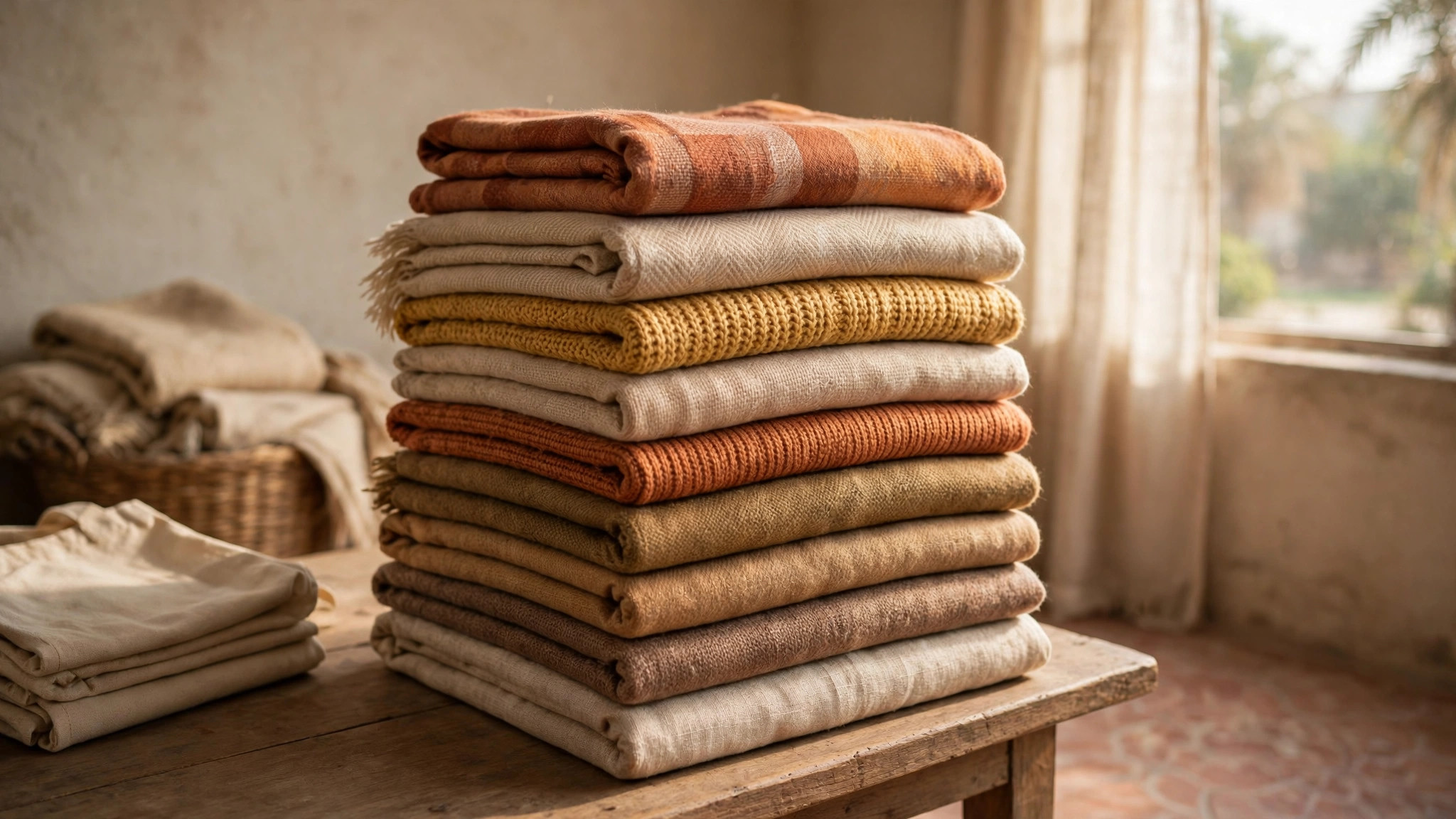
Winter makes it harder still. Karachi's winter nights are cold enough to be dangerous for an old person with no warm blanket and no heater. A cold or a chest infection that a younger body shakes off can put an elderly person in hospital. That is why our winter clothing drives matter: a warm blanket and a sweater are not small comforts for an old person living alone. They are protection.
How KPWA Helps Elderly People
KPWA does not run a separate old-age home. Instead, we reach elderly people through the work we already do in their own neighbourhoods — because most elderly people want to stay in their own homes. Our free medical camps bring checkups and medicines to families who cannot afford a clinic visit, and elderly patients are always among those who come. So far, KPWA has helped 1,000+ patients, supported 500+ students and distributed 5,000+ meals, with 50+ volunteers on the ground.
A sick man once came to us and explained that he could not buy his medicine. There was no food at home, no one in the family earning, and the medicine he needed was simply out of reach. That is the story of so many elderly people in Karachi: not asking for much, just the medicine that keeps them going and the food that keeps them strong. Our ration packages — flour, rice, lentils and the basics — go to families like his, so no one in the house goes hungry.
We do not help Muslims alone. Hunger is the same for everyone, and so is sickness — and so is old age. Many Christian families receive our support too, with ration, medicines and whatever else we can provide. Care does not ask about faith. It only asks who needs help.
What Good Elderly Care Looks Like
Good elderly care is not complicated. It is a few simple things, done regularly:
- Medicines on time, and a checkup when something feels wrong — not months later.
- Enough food, every day, and clean drinking water close to home.
- Warm clothes and blankets when winter comes.
- Someone who visits, listens, and notices when things change.
That last point matters more than people think. A volunteer who knocks on the door, asks after an elderly person's health, and sits for a cup of tea does more than deliver a ration bag. They remind that person they have not been forgotten. Dignity is part of care: nobody wants to feel like a burden. The best help is given quietly, with respect, and without making a show of it.
How You Can Help
You do not need to be wealthy to help an elderly person. Start with the street you live on:
- Donate to charity in Karachi to fund medicines and medical camps for elderly patients.
- Volunteer your time — visit an elderly neighbour, help with a trip to the clinic, or join a ration drive.
- Check on the elderly people in your own family and neighbourhood, especially in winter.
- Encourage your family and friends to do the same.
Before you donate, look into the organisation: its mission, its activities and how it handles donations. Choose a cause that reflects your values, and give with your eyes open. Every month, we need donations, so no child in any home dies of hunger, and no elderly person suffers for want of medicine.
They cared for us when we were young. Now it is our turn to care for them.
Learn more about Karachi People Welfare Association: www.kpwa.site
Read more: Free Medical Camp in Karachi: Healthcare for Families Who Need It Most • Ration Distribution in Karachi: Food Packages for Families in Need • Donate to Charity in Karachi: How Your Donation Helps
Frequently Asked Questions
1. What does elderly care mean in Karachi?
Elderly care means making sure older people have their medicines, enough food, a warm home in winter, and someone who checks on them. It is a mix of practical help and simple human attention.
2. How does KPWA help elderly people in Karachi?
KPWA helps elderly people through its free medical camps, medicines, ration packages and winter clothing drives. Elderly patients are among the 1,000+ patients helped so far, and volunteers check on vulnerable families in their neighbourhoods.
3. Can I sponsor medicines for an elderly person?
Yes. Donations to KPWA fund medicines and medical camps for families who cannot afford them, including elderly patients. Contact KPWA at wealthspringusa5555@gmail.com to discuss how your donation can help.
4. How can I help an elderly neighbour in Karachi?
Start simply: visit, ask how they are, help with a trip to the clinic or the market, and make sure they have their medicines and enough food. If they need more help, put them in touch with KPWA or a local charity.
5. How can I support KPWA's work for the elderly?
You can donate to fund medicines and medical camps, volunteer your time, or spread the word. Contact KPWA at wealthspringusa5555@gmail.com to get involved.
Support Elderly Care in Karachi
Your donation funds medicines, medical camps and ration for elderly people across Karachi.
Donate Now